Crumbling Toenails Can Signal a Fungal Infection

A toenail that begins to change in color, thickness, or texture may be a sign of infection. What often starts at the edge of the nail can spread across the surface, leading to yellow or white discoloration, brittle texture, and even complete crumbling of the nail plate. In more advanced cases, the nail may detach from the nail bed, which can cause swelling, discomfort, and sensitivity surrounding the toe. These changes occur more commonly in the feet because toes are often confined in warm, damp environments inside shoes, especially when worn for long periods of time.  Walking barefoot in public places, like locker rooms, or wearing flip-flops in moist conditions can also increase risk. A podiatrist can carefully examine the affected nail, and identify the cause. Treatment of fungal toenails include trimming away damaged nail tissue, or, if necessary, performing outpatient surgery to remove the infected portion. If you notice changes to your toenails, it is suggested that you schedule an appointment with a podiatrist for an exam and appropriate treatment.

For more information about treatment, contact one of our doctors of Advanced Foot & Ankle Medical Center. Our doctors can provide the care you need to keep you pain-free and on your feet.

Toenail Fungus Treatment

Toenail fungus is a condition that affects many people and can be especially hard to get rid of. Fortunately, there are several methods to go about treating and avoiding it.

Antifungals & Deterrence

Oral antifungal medicine has been shown to be effective in many cases. It is important to consult with a podiatrist to determine the proper regiment for you, or potentially explore other options.

Applying foot powder on the feet and shoes helps keep the feet free of moisture and sweat.

Sandals or open toed shoes – Wearing these will allow air movement and help keep feet dry. They also expose your feet to light, which fungus cannot tolerate. Socks with moisture wicking material also help as well.

If you have any questions please contact our offices located in Agoura Hills, Simi Valley, Thousand Oaks Marin St., and Thousand Oaks Haaland Drive, CA . We offer the newest diagnostic and treatment technologies for all your foot and ankle needs.

Read more about How to Treat Your Toenail Fungus

What Does a Podiatrist Do for Your Foot Health?

A podiatrist is a medical specialist dedicated to diagnosing and treating conditions affecting the feet, ankles, and lower legs. People often seek podiatric care for symptoms such as pain, swelling, numbness, deformities, or difficulty walking. Common causes include injuries, arthritis, infections, structural abnormalities, or chronic diseases like diabetes. Foot problems may look like swelling, redness, or changes in skin or nail appearance. Visible deformities, such as bunions or hammertoes, might also be present. A podiatrist uses a comprehensive approach, including physical examinations, imaging tests, and patient history, to identify the root cause of foot or ankle issues. Treatment options include conservative measures like custom orthotics and medications, as well as advanced interventions such as surgery or wound care. Early diagnosis and proper management can prevent complications and improve quality of life. For personalized foot care and expert advice, it is suggested that you schedule an appointment with a podiatrist.

If you are dealing with pain in your feet and ankles, you may want to seek help from a podiatrist. Feel free to contact one of our doctors from Advanced Foot & Ankle Medical Center. Our doctors can provide the care you need to keep you pain-free and on your feet.

What Is a Podiatrist?

A podiatrist is a doctor of podiatric medicine who diagnoses and treats conditions of the foot, ankle, and related structures of the leg. Your podiatrist may specialize in a certain field such as sports medicine, wound care, pediatrics, and diabetic care. Podiatrists have the ability to become board certified through training, clinical experience, and then taking an exam.

What Do Podiatrists Do?

On a daily basis, a podiatrist may perform the following activities:

  • Diagnose foot ailments such as ulcers, tumors, fractures, etc.
  • Use innovative methods to treat conditions
  • Use corrective orthotics, casts, and strappings to correct deformities
  • Correct walking patterns and balance
  • Provide individual consultations to patients

It is very important that you take care of your feet. It’s easy to take having healthy feet for granted, however foot problems tend to be among the most common health conditions. Podiatrists can help diagnose and treat a variety of feet related conditions, so it is crucial that you visit one if you need assistance.

If you have any questions, please feel free to contact our offices located in Agoura Hills, Simi Valley, Thousand Oaks Marin St., and Thousand Oaks Haaland Drive, CA . We offer the newest diagnostic and treatment technologies for all your foot care needs.

Read more about What is a Podiatrist?

Causes and Symptoms of Achilles Tendonitis

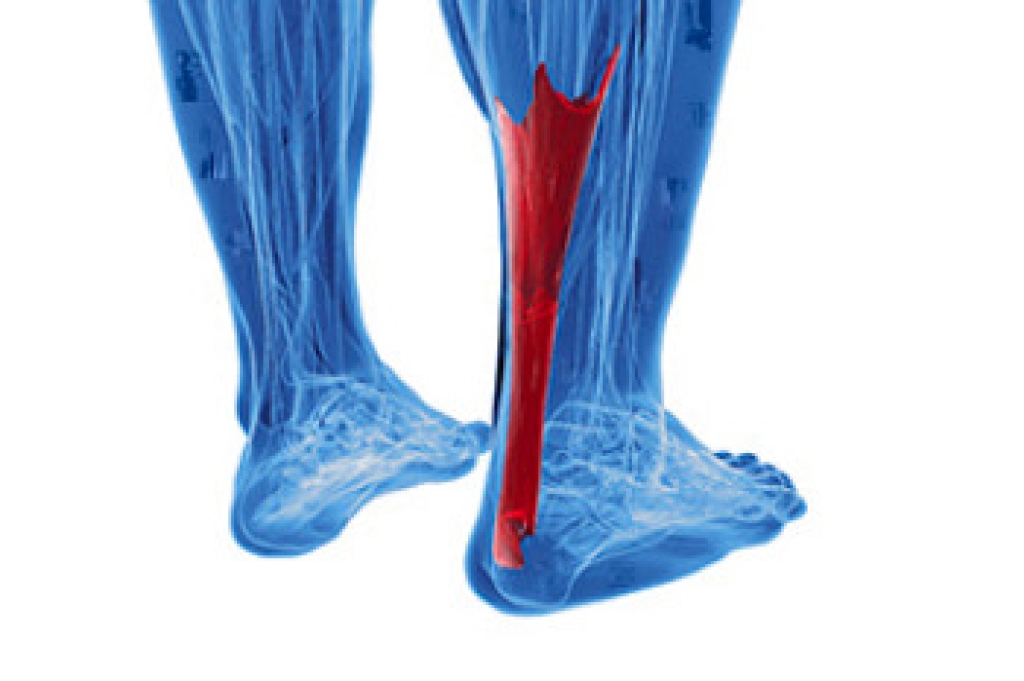
Achilles tendonitis occurs when the thick tendon that connects the calf muscles to the heel bone becomes inflamed from overuse or strain. This tendon plays a key role in walking, running, and pushing off the toes, which makes it vulnerable to injury from repetitive motion or sudden increases in activity. Common causes of Achilles tendonitis include running on hard surfaces, training without proper warm-up, and wearing shoes that lack adequate support. Flat feet, bone spurs on the heel, and certain health conditions can increase the risk of Achilles tendon irritation. Symptoms include pain or stiffness in the back of the ankle, swelling, warmth, and difficulty standing on the toes. Morning stiffness is especially common. If left untreated, inflammation may progress to tendinosis, where the tendon begins to degenerate. In severe cases, a rupture may occur and require surgery. If you are experiencing symptoms of Achilles tendonitis, it is suggested that you make an appointment with a podiatrist for an exam and treatment.

Achilles tendon injuries need immediate attention to avoid future complications. If you have any concerns, contact one of our doctors of Advanced Foot & Ankle Medical Center. Our doctors can provide the care you need to keep you pain-free and on your feet.

What Is the Achilles Tendon?

The Achilles tendon is a tendon that connects the lower leg muscles and calf to the heel of the foot. It is the strongest tendon in the human body and is essential for making movement possible. Because this tendon is such an integral part of the body, any injuries to it can create immense difficulties and should immediately be presented to a doctor.

What Are the Symptoms of an Achilles Tendon Injury?

There are various types of injuries that can affect the Achilles tendon. The two most common injuries are Achilles tendinitis and ruptures of the tendon.

Achilles Tendinitis Symptoms

  • Inflammation
  • Dull to severe pain
  • Increased blood flow to the tendon
  • Thickening of the tendon

Rupture Symptoms

  • Extreme pain and swelling in the foot
  • Total immobility

Treatment and Prevention

Achilles tendon injuries are diagnosed by a thorough physical evaluation, which can include an MRI. Treatment involves rest, physical therapy, and in some cases, surgery. However, various preventative measures can be taken to avoid these injuries, such as:

  • Thorough stretching of the tendon before and after exercise
  • Strengthening exercises like calf raises, squats, leg curls, leg extensions, leg raises, lunges, and leg presses

If you have any questions please feel free to contact our offices located in Agoura Hills, Simi Valley, Thousand Oaks Marin St., and Thousand Oaks Haaland Drive, CA . We offer the newest diagnostic tools and technology to treat your foot and ankle needs.

Read more about Achilles Tendon Injuries

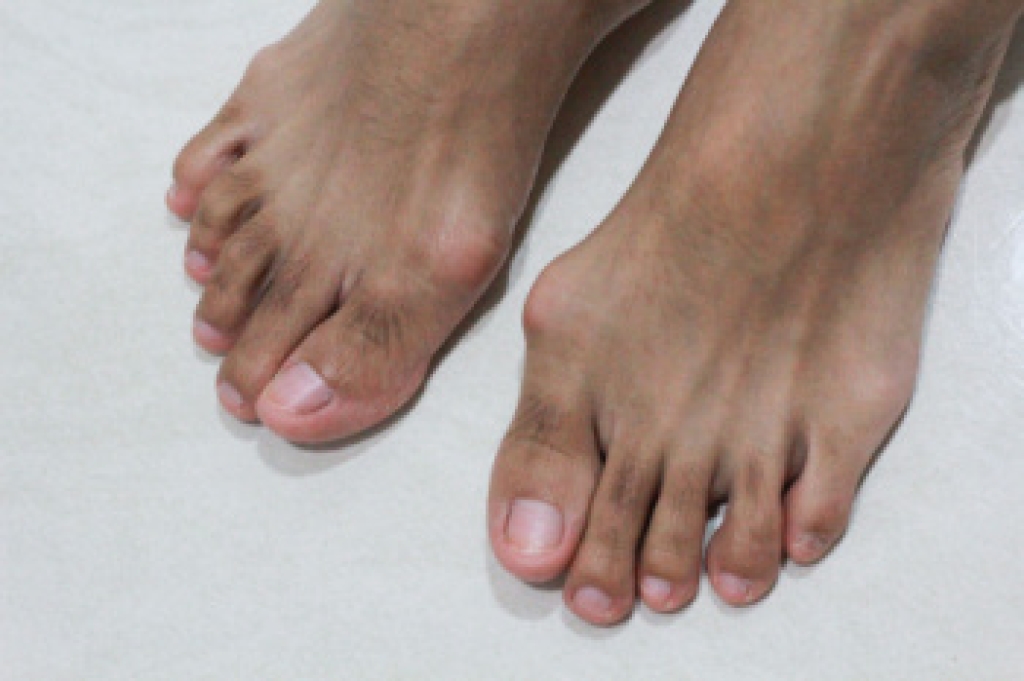
Living With Bunions

A bunion is a bony bump that develops at the base of the big toe when the joint shifts out of alignment. Over time, the toe drifts toward the others, creating pressure, swelling, and discomfort that can make walking or wearing shoes difficult. Genetics, flat feet, arthritis, or years of wearing tight footwear can all contribute to their development. While bunions often progress slowly, they can interfere with mobility, if left unaddressed. Wearing wide shoes, adding protective padding, and using custom orthotics may reduce pressure and ease pain. Anti-inflammatory medication can also bring relief during flare-ups. In severe cases, surgery may be considered to correct the alignment. Taking steps early helps preserve comfort and function. If you are experiencing ongoing pain or changes in your big toe joint, it is suggested that you consult a podiatrist for guidance and appropriate treatment options.

If you are suffering from bunion pain, contact one of our doctors of Advanced Foot & Ankle Medical Center. Our doctors can provide the care you need to keep you pain-free and on your feet.

What Is a Bunion?

Bunions are painful bony bumps that usually develop on the inside of the foot at the joint of the big toe. As the deformity increases over time, it may become painful to walk and wear shoes. Women are more likely to exacerbate existing bunions since they often wear tight, narrow shoes that shift their toes together. Bunion pain can be relieved by wearing wider shoes with enough room for the toes.

Causes

  • Genetics – some people inherit feet that are more prone to bunion development
  • Inflammatory Conditions - rheumatoid arthritis and polio may cause bunion development

Symptoms

  • Redness and inflammation
  • Pain and tenderness
  • Callus or corns on the bump
  • Restricted motion in the big toe

In order to diagnose your bunion, your podiatrist may ask about your medical history, symptoms, and general health. Your doctor might also order an x-ray to take a closer look at your feet. Nonsurgical treatment options include orthotics, padding, icing, changes in footwear, and medication. If nonsurgical treatments don’t alleviate your bunion pain, surgery may be necessary.

If you have any questions, please feel free to contact our offices located in Agoura Hills, Simi Valley, Thousand Oaks Marin St., and Thousand Oaks Haaland Drive, CA . We offer the newest diagnostic and treatment technologies for all your foot care needs.

Read more about Bunions

Plantar Warts Can Be Treated!

Plantar warts are small growths that develop on parts of the feet that bear weight. They're typically found on the bottom of the foot. Don't live with plantar warts, and call us today!

Connect With Us

scroll-to-top