
Do you suffer from heel pain when you get up in the morning? If so, you should seek professional help and have a proper diagnosis performed. Heel pain can be caused by several different foot-related conditions.
Do you suffer from heel pain when you get up in the morning? If so, you should seek professional help and have a proper diagnosis performed. Heel pain can be caused by several different foot-related conditions.
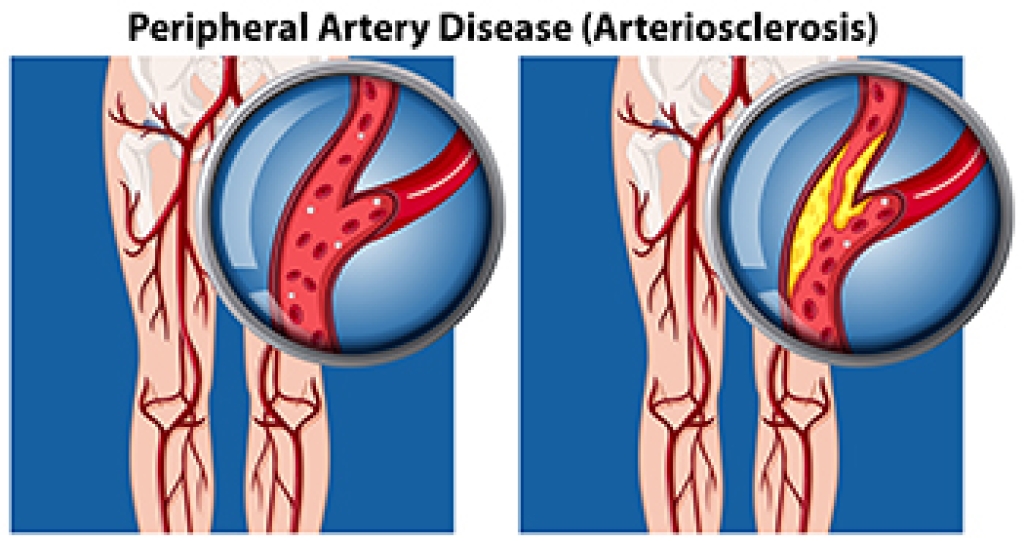
Cold feet can be more than a comfort issue fixed by putting on a thicker pair of socks. This discomfort may signal peripheral artery disease, where narrowed arteries reduce blood flow to the legs and feet. When circulation is limited, the skin can feel cool, look pale, or become numb. People may also notice leg pain with walking that improves when stopping. Risk factors for peripheral artery disease include diabetes, smoking, high blood pressure, and high cholesterol. A podiatrist can assess circulation by checking pulses in the feet, comparing blood pressure in the arms and ankles, and ordering imaging tests. Treatment focuses on improving blood flow and protecting the feet from skin breakdown or slow-healing wounds or ulcers. If you have cold feet on a regular basis, it is suggested that you make an appointment with a podiatrist for a diagnosis and treatment.
Peripheral artery disease can pose a serious risk to your health. It can increase the risk of stroke and heart attack. If you have symptoms of peripheral artery disease, consult with one of our doctors from Advanced Foot & Ankle Medical Center. Our doctors will assess your condition and provide you with quality foot and ankle treatment.
Peripheral artery disease (PAD) is when arteries are constricted due to plaque (fatty deposits) build-up. This results in less blood flow to the legs and other extremities. The main cause of PAD is atherosclerosis, in which plaque builds up in the arteries.
Symptoms
Symptoms of PAD include:
It is important to note that a majority of individuals never show any symptoms of PAD.
Diagnosis
While PAD occurs in the legs and arteries, Podiatrists can diagnose PAD. Podiatrists utilize a test called an ankle-brachial index (ABI). An ABI test compares blood pressure in your arm to you ankle to see if any abnormality occurs. Ultrasound and imaging devices may also be used.
Treatment
Fortunately, lifestyle changes such as maintaining a healthy diet, exercising, managing cholesterol and blood sugar levels, and quitting smoking, can all treat PAD. Medications that prevent clots from occurring can be prescribed. Finally, in some cases, surgery may be recommended.
If you have any questions, please feel free to contact our offices located in Agoura Hills, Simi Valley, Thousand Oaks Marin St., and Thousand Oaks Haaland Drive, CA . We offer the newest diagnostic and treatment technologies for all your foot care needs.

Ankle replacement surgery is a procedure in which a damaged ankle joint is replaced with an artificial implant to restore function and reduce pain. It is typically performed by removing worn cartilage and bone, then positioning metal and plastic components to create a new joint surface that allows smoother movement. This surgery is often needed when severe arthritis causes lasting pain, stiffness, and limited mobility that does not improve with conservative care. These symptoms can interfere with walking and daily activities. A podiatrist can help by evaluating the condition, recommending appropriate treatment, and providing guidance before and after surgery. If ankle pain is affecting your quality of life, it is suggested that you consult a podiatrist who can discuss appropriate treatment solutions, which may include this type of foot surgery.
Foot surgery is sometimes necessary to treat a foot ailment. To learn more, contact one of our doctors of Advanced Foot & Ankle Medical Center. Our doctors will assist you with all of your foot and ankle needs.
When Is Surgery Necessary?
Foot and ankle surgery is generally reserved for cases in which less invasive, conservative procedures have failed to alleviate the problem. Some of the cases in which surgery may be necessary include:
What Types of Surgery Are There?
The type of surgery you receive will depend on the nature of the problem you have. Some of the possible surgeries include:
Benefits of Surgery
Although surgery is usually a last resort, it can provide more complete pain relief compared to non-surgical methods and may allow you to finally resume full activity.
Surgical techniques have also become increasingly sophisticated. Techniques like endoscopic surgery allow for smaller incisions and faster recovery times.
If you have any questions, please feel free to contact our offices located in Agoura Hills, Simi Valley, Thousand Oaks Marin St., and Thousand Oaks Haaland Drive, CA . We offer the newest diagnostic and treatment technologies for all your foot care needs.

Arthritis in the big toe can cause pain, stiffness, and limited movement that makes walking uncomfortable. This affects the joint at the base of the toe, where the tissue that cushions bone ends starts to wear down. As the joint becomes irritated, motion may decrease and pain may increase during activity. Treatment focuses on reducing stress on the joint and improving how the foot functions. A podiatrist can provide custom orthotic devices to limit joint strain and improve alignment. Medication may be used to reduce inflammation and ease discomfort. In some cases, targeted injections into the joint can help relieve pain and swelling. When arthritis becomes more advanced, surgery may be recommended to remove bone growth, improve joint motion, or stabilize the joint. A podiatrist will adjust treatment based on the severity of the arthritis and the patient’s activity level. If you are experiencing pain from arthritis in the toes, feet or ankles, it is suggested that you make an appointment with a podiatrist for help.
Arthritis can be a difficult condition to live with. If you are seeking treatment, contact one of our doctors from Advanced Foot & Ankle Medical Center. Our doctors can provide the care you need to keep you pain-free and on your feet.
Arthritic Foot Care
Arthritis is a term that is commonly used to describe joint pain. The condition itself can occur to anyone of any age, race, or gender, and there are over 100 types of it. Nevertheless, arthritis is more commonly found in women compared to men, and it is also more prevalent in those who are overweight. The causes of arthritis vary depending on which type of arthritis you have. Osteoarthritis for example, is often caused by injury, while rheumatoid arthritis is caused by a misdirected immune system.
Symptoms
Arthritic symptoms range in severity, and they may come and go. Some symptoms stay the same for several years but could potentially get worse with time. Severe cases of arthritis can prevent its sufferers from performing daily activities and make walking difficult.
Risk Factors
If you suspect your arthritis is affecting your feet, it is crucial that you see a podiatrist immediately. Your doctor will be able to address your specific case and help you decide which treatment method is best for you.
If you have any questions please feel free to contact our offices located in Agoura Hills, Simi Valley, Thousand Oaks Marin St., and Thousand Oaks Haaland Drive, CA . We offer the newest diagnostic tools and technology to treat your foot and ankle needs.

Plantar fasciitis is a frequent cause of heel pain that develops when the thick band of tissue under the foot becomes strained. Repetitive impact from running, long hours on hard surfaces, or tight calf muscles can lead to small tears, swelling, and pain. A podiatrist can recommend specific exercises to reduce tension and improve flexibility. Among them are calf stretches performed against a wall to loosen the large muscles in the back of the lower leg. Big toe stretches that gently pull the toe upward to lengthen the plantar fascia also help. In addition, towel-assisted or resistance-band stretches can help improve ankle motion. A podiatrist may also prescribe orthotics, taping, and footwear guidance to support healing. If you are experiencing heel pain from plantar fasciitis, it is suggested that you make an appointment with a podiatrist for a diagnosis and treatment options.
Many people suffer from bouts of heel pain. For more information, contact one of our doctors of Advanced Foot & Ankle Medical Center. Our doctors can provide the care you need to keep you pain-free and on your feet.
Causes of Heel Pain
Heel pain is often associated with plantar fasciitis. The plantar fascia is a band of tissues that extends along the bottom of the foot. A rip or tear in this ligament can cause inflammation of the tissue.
Achilles tendonitis is another cause of heel pain. Inflammation of the Achilles tendon will cause pain from fractures and muscle tearing. Lack of flexibility is also another symptom.
Heel spurs are another cause of pain. When the tissues of the plantar fascia undergo a great deal of stress, it can lead to ligament separation from the heel bone, causing heel spurs.
Why Might Heel Pain Occur?
Treatments
Heel pain should be treated as soon as possible for immediate results. Keeping your feet in a stress-free environment will help. If you suffer from Achilles tendonitis or plantar fasciitis, applying ice will reduce the swelling. Stretching before an exercise like running will help the muscles. Using all these tips will help make heel pain a condition of the past.
If you have any questions, please feel free to contact our offices located in Agoura Hills, Simi Valley, Thousand Oaks Marin St., and Thousand Oaks Haaland Drive, CA . We offer the newest diagnostic and treatment technologies for all your foot care needs.
Connect With Us
