
Facts About Flat Feet

Flat feet, also called pes planus, occur when the longitudinal arch along the inside of the foot is lowered or absent, causing the entire sole to touch the ground. This condition may affect one or both feet and is common in children until the arch develops, usually by the age of 5. Some people remain flat-footed into adulthood without symptoms, while others may begin to feel pain in the feet, toes, or ankles. Discomfort may arise from excessive standing, running, or jumping, poorly fitted shoes, sudden weight gain, or injury. Flat feet can also be inherited or linked to conditions such as diabetes or arthritis. A podiatrist can evaluate the structure of the feet, recommend orthotics for improved alignment, and in rare cases, discuss surgery if severe problems occur. If you have pain related to flat feet, it is suggested that you make an appointment with a podiatrist for an evaluation and treatment options.

Flatfoot is a condition many people suffer from. If you have flat feet, contact one of our doctors from Advanced Foot & Ankle Medical Center. Our doctors will treat your foot and ankle needs.

What Are Flat Feet?

Flatfoot is a condition in which the arch of the foot is depressed and the sole of the foot is almost completely in contact with the ground. About 20-30% of the population generally has flat feet because their arches never formed during growth.

Conditions & Problems:

Having flat feet makes it difficult to run or walk because of the stress placed on the ankles.

Alignment – The general alignment of your legs can be disrupted, because the ankles move inward which can cause major discomfort.

Knees – If you have complications with your knees, flat feet can be a contributor to arthritis in that area.  

Symptoms

  • Pain around the heel or arch area
  • Trouble standing on the tip toe
  • Swelling around the inside of the ankle
  • Flat look to one or both feet
  • Having your shoes feel uneven when worn

Treatment

If you are experiencing pain and stress on the foot you may weaken the posterior tibial tendon, which runs around the inside of the ankle. 

If you have any questions, please feel free to contact our offices located in Agoura Hills, Simi Valley, Thousand Oaks Marin St., and Thousand Oaks Haaland Drive, CA . We offer the newest diagnostic and treatment technologies for all your foot care needs.

Read more about What is Flexible Flat Foot?

Why You Should See a Podiatrist

There are many different foot problems, and a podiatrist is the medical expert who can help. For example, corns, bunions, and toenail issues can cause pain and discomfort, affecting your daily life. Corns are thickened areas of skin caused by pressure or friction, often from wearing tight shoes. They may look like hard, raised bumps, and can feel sore or tender. Bunions are bony bumps at the base of the big toe, often caused by genetics, arthritis, or poor footwear. They can lead to swelling, pain, and difficulty walking. Toenail problems like fungal infections or ingrown nails may appear discolored, thickened, or painful. A podiatrist can examine your feet, perform diagnostic tests, and offer treatments such as orthotics, minor surgical procedures, or medications to relieve pain and correct the problem. Ignoring these issues can lead to further complications, so early care is vital. If you have foot pain or any of the above conditions,  it is suggested that you schedule an appointment with a podiatrist for effective treatment solutions.

If you are experiencing pain in the feet or ankles, don’t join the stubborn majority refusing treatment. Feel free to contact one of our doctors from Advanced Foot & Ankle Medical Center. Our doctors can provide the care you need to keep you pain-free and on your feet.

What Is a Podiatrist?

Someone would seek the care of a podiatrist if they have suffered a foot injury or have common foot ailments such as heal spurs, bunions, arch problems, deformities, ingrown toenails, corns, foot and ankle problems, etc.

Podiatric Treatment

A podiatrist will treat the problematic areas of the feet, ankle or lower leg by prescribing the following:

  • Physical therapy
  • Drugs
  • Orthotic inserts or soles
  • Surgery on lower extremity fractures

A common podiatric procedure a podiatrist will use is a scanner or force plate which will allow the podiatrist to know the designs of orthotics. Patients are then told to follow a series of tasks to complete the treatment. The computer will scan the foot a see which areas show weight distribution and pressure points. The podiatrist will read the analysis and then determine which treatment plans are available.

If you have any questions, please feel free to contact our offices located in Agoura Hills, Simi Valley, Thousand Oaks Marin St., and Thousand Oaks Haaland Drive, CA . We offer the newest diagnostic and treatment technologies for all your foot care needs.

Read more about What is a Podiatrist?

Athlete’s Foot and Other Foot Infections

Fungal and bacterial foot infections can develop when microorganisms enter through small cracks or cuts in the skin. This typically occurs in moist environments like public showers, locker rooms, or around pools. One common fungal infection is athlete’s foot, which may cause peeling skin, redness, itching, or blisters, often between the toes or along the soles. If left untreated, it can spread and increase the risk of a toenail infection called onychomycosis, which can result in thickened, yellowed, or brittle nails. Bacterial infections, such as cellulitis or foot abscesses, may cause swelling, pain, heat, and drainage from the affected area and may spread quickly, if not properly treated. A podiatrist can perform a thorough exam and determine whether the infection is fungal or bacterial, before providing the appropriate treatment. If you believe you have a fungal or bacterial foot infection, it is suggested that you schedule an appointment with a podiatrist for an exam, diagnosis, and appropriate treatment.

Athlete’s Foot

Athlete’s foot is often an uncomfortable condition to experience. Thankfully, podiatrists specialize in treating athlete’s foot and offer the best treatment options. If you have any questions about athlete’s foot, consult with one of our doctors from Advanced Foot & Ankle Medical Center. Our doctors will assess your condition and provide you with quality treatment.

What Is Athlete’s Foot?

Tinea pedis, more commonly known as athlete’s foot, is a non-serious and common fungal infection of the foot. Athlete’s foot is contagious and can be contracted by touching someone who has it or infected surfaces. The most common places contaminated by it are public showers, locker rooms, and swimming pools. Once contracted, it grows on feet that are left inside moist, dark, and warm shoes and socks.

Prevention

The most effective ways to prevent athlete’s foot include:

  • Thoroughly washing and drying feet
  • Avoid going barefoot in locker rooms and public showers
  • Using shower shoes in public showers
  • Wearing socks that allow the feet to breathe
  • Changing socks and shoes frequently if you sweat a lot

Symptoms

Athlete’s foot initially occurs as a rash between the toes. However, if left undiagnosed, it can spread to the sides and bottom of the feet, toenails, and if touched by hand, the hands themselves. Symptoms include:

  • Redness
  • Burning
  • Itching
  • Scaly and peeling skin

Diagnosis and Treatment

Diagnosis is quick and easy. Skin samples will be taken and either viewed under a microscope or sent to a lab for testing. Sometimes, a podiatrist can diagnose it based on simply looking at it. Once confirmed, treatment options include oral and topical antifungal medications.

If you have any questions, please feel free to contact our offices located in Agoura Hills, Simi Valley, Thousand Oaks Marin St., and Thousand Oaks Haaland Drive, CA . We offer the newest diagnostic and treatment technologies for all your foot care needs.
Read more about How to Deal with Athlete's Foot

Managing Sesamoid Bone Fractures

Sesamoid fractures occur in the small bones beneath the big toe joint, often due to repetitive stress or direct trauma. These bones, called the tibial and fibular sesamoids, are embedded within a tendon and help with weight-bearing and motion. Fractures or damage to sesamoid bones are especially common among dancers, joggers, and people who wear high-heeled or thin-soled shoes. Pain is usually located beneath the head of the first metatarsal ,and may worsen when walking or wearing shoes that increase pressure under the big toe. In some cases, sesamoid fractures are confused with other conditions like gout. Diagnosis typically involves examining the foot while moving the toe and using imaging such as X-rays or MRI scans to confirm the fracture. A podiatrist can recommend immobilization techniques, or, in some cases, surgery to relieve persistent pain and restore function. If you have severe pain beneath the big toe, it is suggested that you schedule an appointment with a podiatrist for an exam and appropriate treatment options.

A broken foot requires immediate medical attention and treatment. If you need your feet checked, contact one of our doctors from Advanced Foot & Ankle Medical Center. Our doctors can provide the care you need to keep you pain-free and on your feet.

Broken Foot Causes, Symptoms, and Treatment

A broken foot is caused by one of the bones in the foot typically breaking when bended, crushed, or stretched beyond its natural capabilities. Usually the location of the fracture indicates how the break occurred, whether it was through an object, fall, or any other type of injury. 

Common Symptoms of Broken Feet:

  • Bruising
  • Pain
  • Redness
  • Swelling
  • Blue in color
  • Numbness
  • Cold
  • Misshapen
  • Cuts
  • Deformities

Those that suspect they have a broken foot shoot seek urgent medical attention where a medical professional could diagnose the severity.

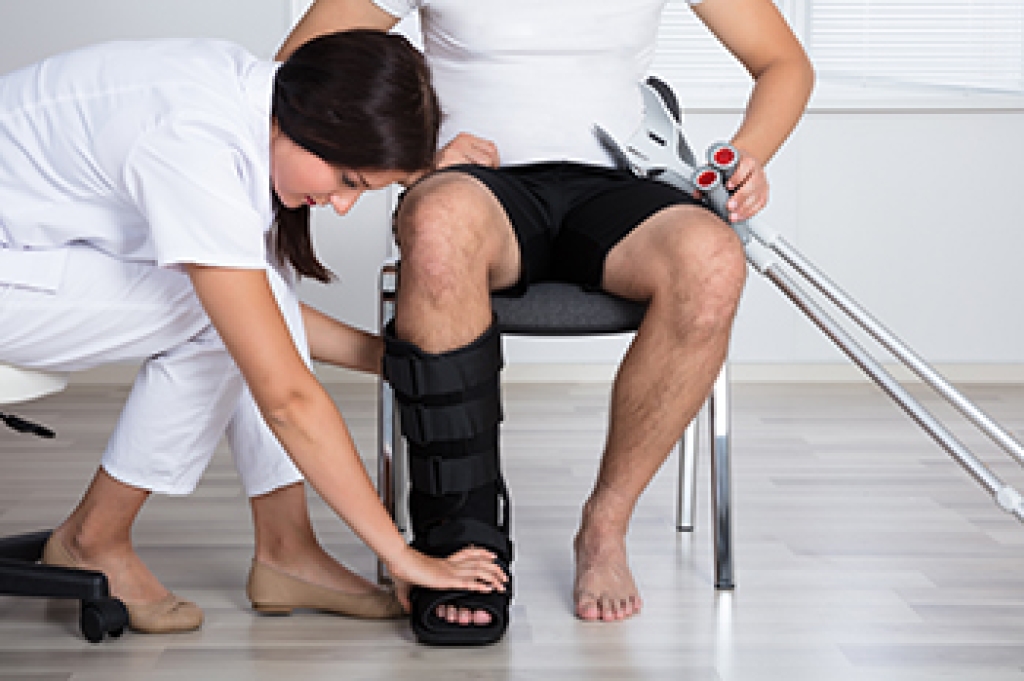
Treatment for broken bones varies depending on the cause, severity and location. Some will require the use of splints, casts or crutches while others could even involve surgery to repair the broken bones. Personal care includes the use of ice and keeping the foot stabilized and elevated.

If you have any questions, please feel free to contact our offices located in Agoura Hills, Simi Valley, Thousand Oaks Marin St., and Thousand Oaks Haaland Drive, CA . We offer the newest diagnostic and treatment technologies for all your foot care needs.

Read more about Causes, Symptoms, and Treatment for a Broken Foot

Connect With Us

scroll-to-top