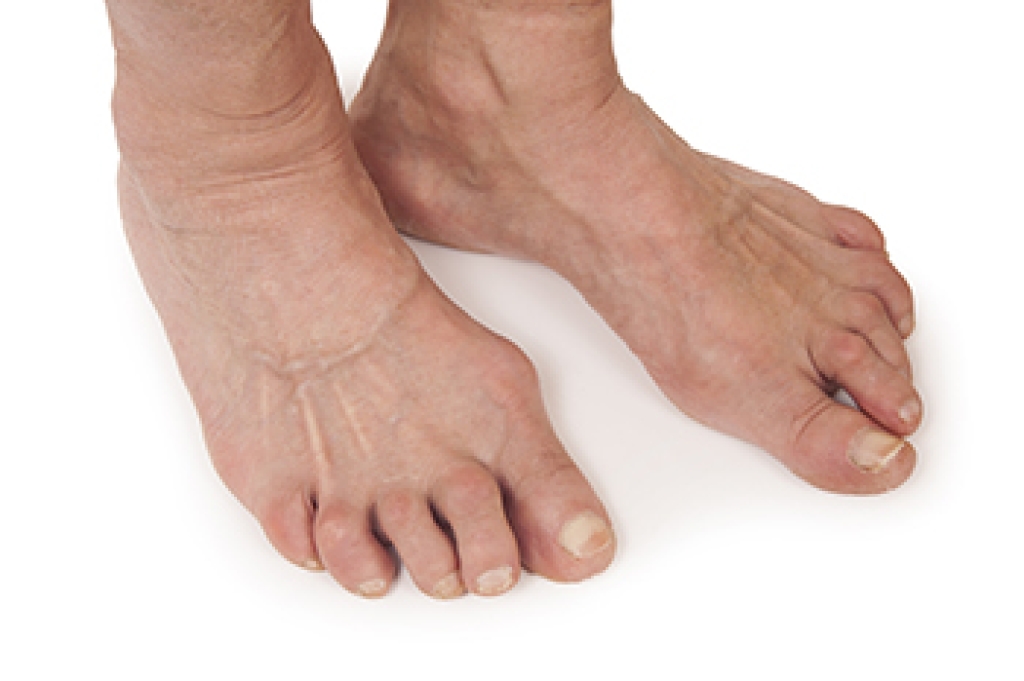
Symptoms and Diagnosis of Broken Ankles

A broken ankle occurs when one or more bones in the joint crack or break due to trauma, such as a fall, sports injury, or car accident. Symptoms typically include severe pain, swelling, bruising, and difficulty walking or bearing weight. The ankle may look deformed or feel unstable, depending on the severity of the break. A podiatrist diagnoses a broken ankle through a physical exam and imaging tests like X-rays or CT scans to determine the exact location and how serious the fracture is. Treatment varies based on the type of break. Minor fractures may only require a cast or boot to immobilize the ankle, while more severe breaks could need surgery to realign and stabilize the bones with screws or plates. If you suspect you have an ankle fracture, it is suggested that you promptly see a podiatrist to ensure proper healing and recovery.

Broken ankles need immediate treatment. If you are seeking treatment, contact one of our doctors from Advanced Foot & Ankle Medical Center. Our doctors can provide the care you need to keep you pain-free and on your feet. 

Broken Ankles
A broken ankle is experienced when a person fractures their tibia or fibula in the lower leg and ankle area. Both of these bones are attached at the bottom of the leg and combine to form what we know to be our ankle.

When a physician is referring to a break of the ankle, he or she is usually referring to a break in the area where the tibia and fibula are joined to create our ankle joint. Ankles are more prone to fractures because the ankle is an area that suffers a lot of pressure and stress. There are some obvious signs when a person experiences a fractured ankle, and the following symptoms may be present.

Symptoms of a Fractured Ankle

  • Excessive pain when the area is touched or when any pressure is placed on the ankle
  • Swelling around the area
  • Bruising of the area
  • Area appears to be deformed

If you suspect an ankle fracture, it is recommended to seek treatment as soon as possible. The sooner you have your podiatrist diagnose the fracture, the quicker you’ll be on the way towards recovery.

If you have any questions, please feel free to contact our offices located in Agoura Hills, Simi Valley, Thousand Oaks Marin St., and Thousand Oaks Haaland Drive, CA . We offer the newest diagnostic and treatment technologies for all your foot care needs.
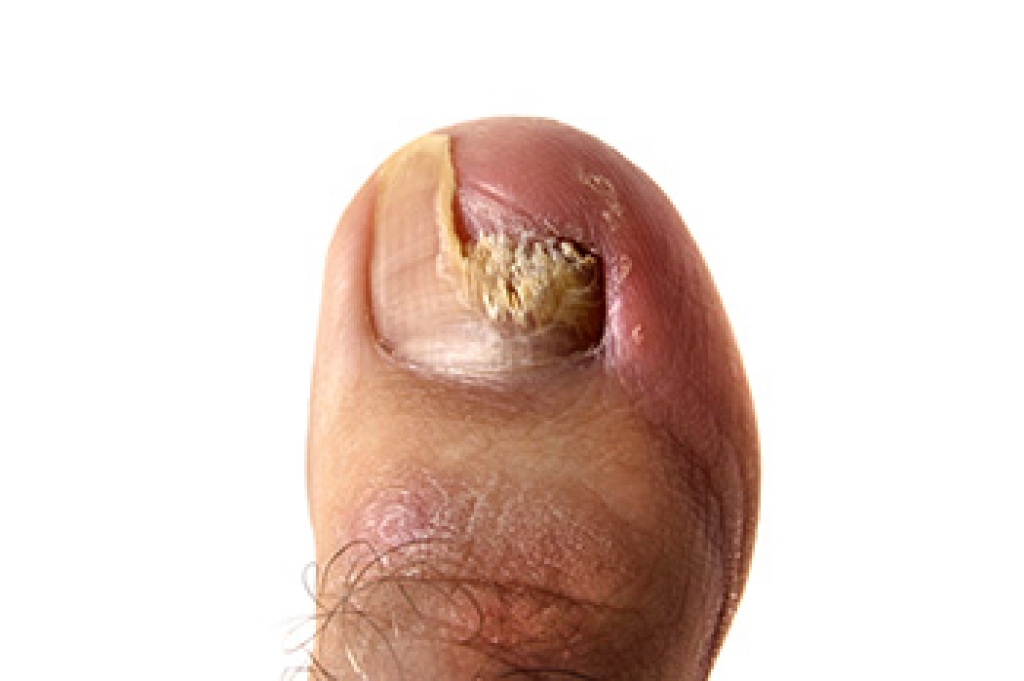

Read more about All About Broken Ankles

Managing Plantar Fasciitis

Plantar fasciitis affects the broad band of tissue that connects the heel bone to the toes, known as the plantar fascia. Pain in the heel and arch of the foot is the result of excessive strain, tearing, or wearing out of this ligament. It is often most noticeable when taking the first steps in the morning, or after long periods of rest. Factors such as spending extended time on your feet, having tight calf muscles, high arches or flat feet can increase the risk of developing plantar fasciitis. A podiatrist can assess your symptoms and develop a treatment plan that may include using orthotics and performing specific calf and foot stretches to improve flexibility. In addition, taking smaller steps, avoiding walking barefoot, and reducing high-impact activities like jogging may be suggested. Weight management may also be part of the treatment strategy, as excess weight can increase pain. If you have pain from plantar fasciitis, it is suggested that you schedule an appointment with a podiatrist for treatment.

Plantar fasciitis is a common foot condition that is often caused by a strain injury. If you are experiencing heel pain or symptoms of plantar fasciitis, contact one of our doctors from Advanced Foot & Ankle Medical Center. Our doctors can provide the care you need to keep you pain-free and on your feet.

What Is Plantar Fasciitis?

Plantar fasciitis is one of the most common causes of heel pain. The plantar fascia is a ligament that connects your heel to the front of your foot. When this ligament becomes inflamed, plantar fasciitis is the result. If you have plantar fasciitis you will have a stabbing pain that usually occurs with your first steps in the morning. As the day progresses and you walk around more, this pain will start to disappear, but it will return after long periods of standing or sitting.

What Causes Plantar Fasciitis?

  • Excessive running
  • Having high arches in your feet
  • Other foot issues such as flat feet
  • Pregnancy (due to the sudden weight gain)
  • Being on your feet very often

There are some risk factors that may make you more likely to develop plantar fasciitis compared to others. The condition most commonly affects adults between the ages of 40 and 60. It also tends to affect people who are obese because the extra pounds result in extra stress being placed on the plantar fascia.

Prevention

  • Take good care of your feet – Wear shoes that have good arch support and heel cushioning.
  • Maintain a healthy weight
  • If you are a runner, alternate running with other sports that won’t cause heel pain

There are a variety of treatment options available for plantar fasciitis along with the pain that accompanies it. Additionally, physical therapy is a very important component in the treatment process. It is important that you meet with your podiatrist to determine which treatment option is best for you.

If you have any questions, please feel free to contact our offices located in Agoura Hills, Simi Valley, Thousand Oaks Marin St., and Thousand Oaks Haaland Drive, CA . We offer the newest diagnostic and treatment technologies for all your foot care needs.
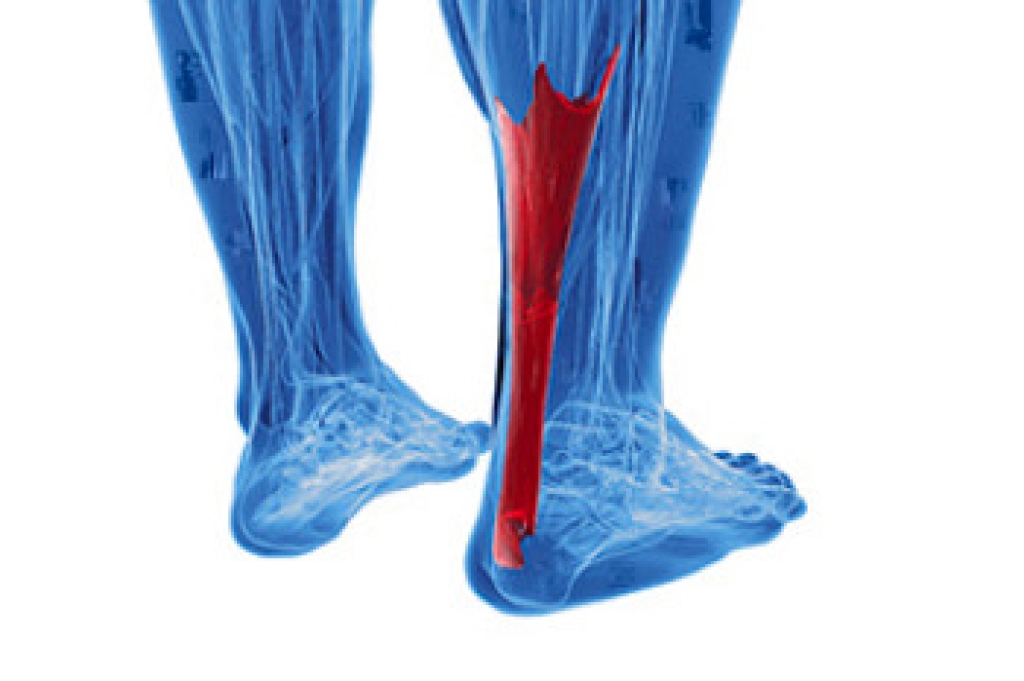
 

Read more about Plantar Fasciitis

Understanding Tarsal Tunnel Syndrome

Tarsal tunnel syndrome is a condition caused by compression of the posterior tibial nerve, which runs along the inner ankle. This nerve travels through a narrow space called the tarsal tunnel, and when it is compressed, it can lead to symptoms like pain, tingling, burning, or numbness in the foot and ankle. The discomfort may radiate from the ankle into the sole of the foot and is often worse after prolonged standing, walking, or physical activity. Causes of tarsal tunnel syndrome include repetitive strain, injury, flat feet, or conditions like arthritis that add pressure on the nerve. Diagnosis usually involves a physical examination, nerve conduction tests, and imaging. Treatment can range from rest to orthotics to reduce strain. In severe cases, surgery may be needed to relieve pressure on the nerve and alleviate symptoms. If you have symptoms of tarsal tunnel syndrome, it is suggested that you visit a podiatrist for a proper diagnosis and treatment.

Tarsal tunnel syndrome can be very uncomfortable to live with. If you are experiencing tarsal tunnel syndrome, contact one of our doctors of Advanced Foot & Ankle Medical Center. Our doctors can provide the care you need to keep you pain-free and on your feet.

Tarsal Tunnel Syndrome

Tarsal tunnel syndrome, which can also be called tibial nerve dysfunction, is an uncommon condition of misfiring peripheral nerves in the foot. The tibial nerve is the peripheral nerve in the leg responsible for sensation and movement of the foot and calf muscles. In tarsal tunnel syndrome, the tibial nerve is damaged, causing problems with movement and feeling in the foot of the affected leg.

Common Cause of Tarsal Tunnel Syndrome

  • Involves pressure or an injury, direct pressure on the tibial nerve for an extended period of time, sometimes caused by other body structures close by or near the knee.
  • Diseases that damage nerves, including diabetes, may cause tarsal tunnel syndrome.
  • At times, tarsal tunnel syndrome can appear without an obvious cause in some cases.

The Effects of Tarsal Tunnel Syndrome

  • Different sensations, an afflicted person may experience pain, tingling, burning or other unusual sensations in the foot of the affected leg.
  • The foot muscles, toes and ankle become weaker, and curling your toes or flexing your foot can become difficult.
  • If condition worsens, infections and ulcers may develop on the foot that is experiencing the syndrome.

A physical exam of the leg can help identify the presence of tarsal tunnel syndrome. Medical tests, such as a nerve biopsy, are also used to diagnose the condition. Patients may receive physical therapy and prescriptive medication. In extreme cases, some may require surgery.

If you have any questions please contact our offices located in Agoura Hills, Simi Valley, Thousand Oaks Marin St., and Thousand Oaks Haaland Drive, CA . We offer the newest diagnostic and treatment technologies for all your foot and ankle needs.

Read more about Treating Tarsal Tunnel Syndrome

Where Do Foot Corns Develop?

A foot corn is a thick, hardened area of skin that forms due to repeated friction or pressure. It most commonly appears on the toes or the soles of the feet, where shoes or other foot coverings create constant rubbing. Corns can develop on the top of the toes, between the toes, or on the heels, often causing discomfort or pain when walking. The primary cause of corns is wearing ill-fitting shoes that do not provide enough room or support. Tight shoes, high heels, or sandals that do not properly align the foot can all contribute to the formation of corns. To prevent foot corns, wearing shoes that fit properly and provide sufficient cushioning is essential. Corns can cause pain and discomfort, and it may become difficult to complete daily activities. If you have developed a corn, it is suggested that you contact a podiatrist who can offer you effective relief and prevention techniques. 

If you have any concerns regarding your feet and ankles, contact one of our doctors of  Advanced Foot & Ankle Medical Center. Our doctors will treat your foot and ankle needs.

Corns: What Are They? and How Do You Get Rid of Them?
Corns can be described as areas of the skin that have thickened to the point of becoming painful or irritating. They are often layers and layers of the skin that have become dry and rough, and are normally smaller than calluses.

Ways to Prevent Corns
There are many ways to get rid of painful corns such as wearing:

  • Well-fitting socks
  • Comfortable shoes that are not tight around your foot
  • Shoes that offer support

Treating Corns
Treatment of corns involves removing the dead skin that has built up in the specific area of the foot. Consult with Our doctors to determine the best treatment option for your case of corns.

If you have any questions, please feel free to contact our offices located in Agoura Hills, Simi Valley, Thousand Oaks Marin St., and Thousand Oaks Haaland Drive, CA . We offer the newest diagnostic and treatment technologies for all your foot care needs.
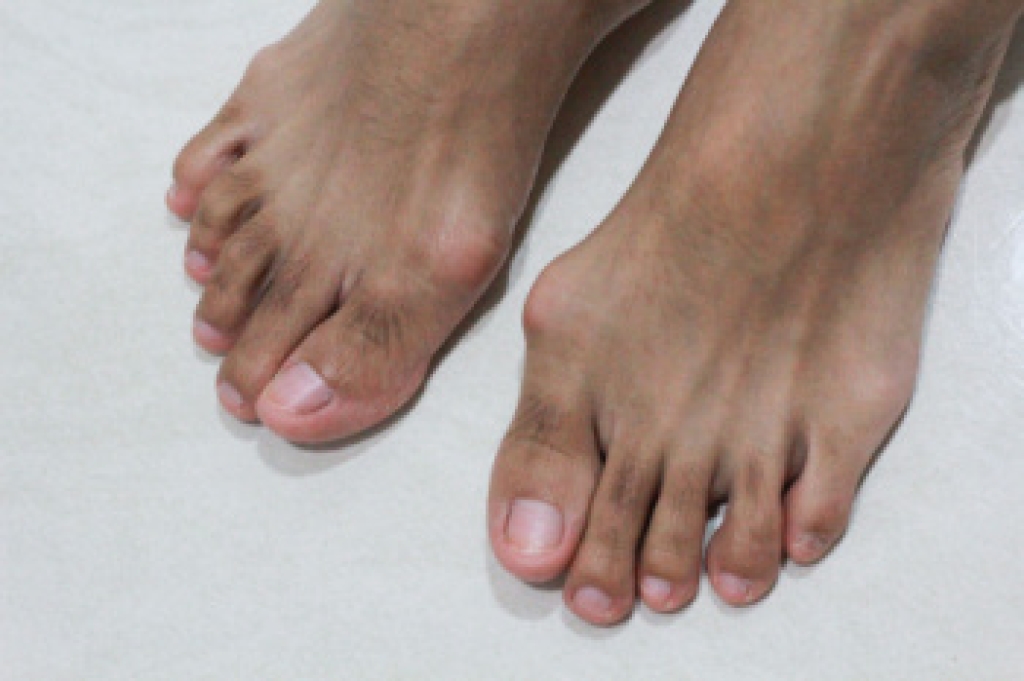
Read more about Corns: What Are They, and How Do You Get Rid of Them

Heel Pain in the Morning?

Heel pain can negatively affect your day-to-day life. Simple activities like walking can become incredibly uncomfortable or painful due to heel pain.

Don’t live with heel pain and get treated.

Connect With Us

scroll-to-top